Xi'an Econ Industrial Corp.

Magnesium

workshop
 
Company Profile
 

Xi'an Econ Industrial Corp is located in Xi’an, China, specializing in producing and exporting refractory metal products, which include molybdenum, tungsten, tantalum, niobium, and their alloys. It is one of the earliest professional manufacturers engaged in the research, development, production and service of tungsten, molybdenum and their alloy plates, rods, sheets, foils, rods and deep processed products in China. The company has a full range of technical R&D personnel and production technicians for tungsten, molybdenum, tantalum, niobium and their deep processing equipment, as well as various refractory high-temperature products.

 
Why Choose Us
 

Our Products

Specializing in producing and exporting refractory metal products, which include molybdenum, tungsten, tantalum, niobium, and their alloys. It is one of the earliest professional manufacturers engaged in the research, development, production and service of tungsten, molybdenum and their alloy plates, rods, sheets, foils, rods and deep processed products in China.

Product Application

With decades of experience and state-of-the-art technologies, we especially concentrate on designing, researching and developing down-stream processed and finished products for many kinds of industrial applications in such fields as high temperature, anti-corrosion, electronics , lighting, medical equipments, radiation shielding and semiconductor .

Our Factory

Xi'an Econ Industrial Corp is located in Xi’an, China, specializing in producing and exporting refractory metal products, which include molybdenum, tungsten, tantalum, niobium, and their alloys.

Certificate

As an As an ISO9001:2015 certified company, we are equipped with complete production line, from sintering & E-beam smelting to forging, rolling, machining and stringent testing procedures, which enables us to supply our customers with varieties of refractory metal products. The products are well recognized in overseas market, including America, Europe, and Southeast Asia.

 

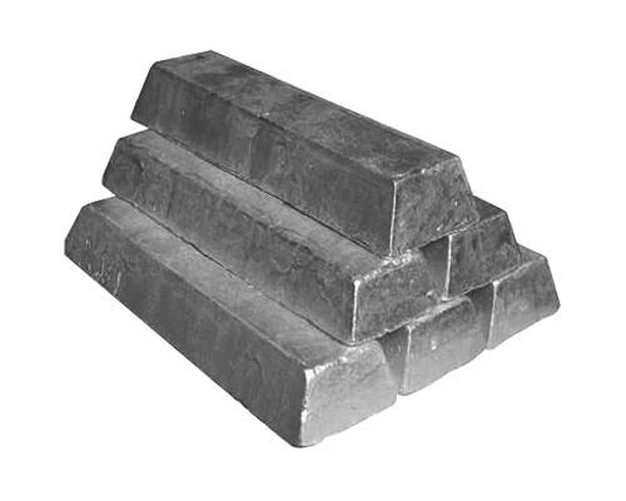
  • Magnesium Ingot

    Magnesium Ingot

    1.Product name: Magnesium Ingot. 2.Purity: Mg99.9%. 3.Color: Siver White. 4.Appearance:Bright

    Add to Inquiry

what is Magnesium?


Magnesium is the lightest structural metal used today, some 30% lighter than aluminium, and is generally used in alloys. Pure magnesium burns vigorously once molten, but magnesium alloys have higher melting points and are widely used in the automotive and aircraft industries.


Advantages of Magnesium
 
 
Lightweight

Magnesium is the eighth most abundant element in the Earth's crust and the lightest structural metal. Its low density makes it an excellent choice for applications where weight reduction is critical, such as in automotive, aerospace, and portable electronic devices.

 
Machinability

Magnesium is relatively easy to machine compared to other metals. It can be cut, drilled, and shaped with standard tools, which reduces manufacturing time and costs.

 
Recyclability

Magnesium is highly recyclable without losing its properties, making it an environmentally friendly material option for various applications.

 
Corrosion Resistance

When properly treated or alloyed, magnesium can exhibit good corrosion resistance, which is vital for its use in outdoor and marine environments.

 
Damping Ability

Magnesium has superior damping capabilities compared to other metals, meaning it can absorb vibrations effectively. This property is beneficial in applications where noise reduction and stability are important, such as in engine mounts and camera tripods.

 
Electrical Conductivity

Magnesium has good electrical conductivity, which makes it useful in applications requiring lightweight conductive materials, such as in electric vehicle components and electronic components.

 
Thermal Conductivity

Magnesium's high thermal conductivity allows it to dissipate heat efficiently, making it suitable for heat exchangers, fire protection systems, and other applications where heat management is crucial.


Magnesium in Industries


The current up-and-coming three major industries in which magnesium is being used include:


Electronics

When adequate thermal conductivity properties are required, magnesium alloys are used instead of plastics. As a result, magnesium alloys are a superior choice for dissipating heat generated by electrical circuits in electronic equipment. These alloys are found in TVs, LCDs, mobile phones, and computer cases. Apart from these basic benefits, there are a range of advantages that make magnesium alloys the go-to material for modern-day electronics. For example, cutting resistance is lower in magnesium alloys, making rapid machining easier and reducing costs for prototypes and production. Magnesium alloys are also excellent at shielding electromagnetic interference (EMI) and are frequently used in mobile phone casings and avionics. In addition, magnesium alloys are easily recyclable, ductile, less prone to corrosion, and have excellent vibration absorption properties, which make them better at dent resistance.


Automobile

Magnesium is now the primary choice globally when it comes to steering wheels, alloy wheels, seat frames, and fuel tank covers, as well as in gearboxes, front ends, IP beams, steering columns, and driver’s airbag housings. Magnesium's use in automotive applications can bring benefits beyond weight reduction for improving vehicle performance, and use cases now have evolved to cater to better driving experience and driver safety. Magnesium components are being used to minimize vibration and overall vehicle noise. Due to magnesium’s ability to be cast into thin walls, it offers a great alternative to steel components, as through part consolidation, several adjoining heavier steel components can be replaced with a single magnesium cast component achieved at net-finish during production. This results in high cost and weight savings. The most famous example of this is General Motors’ part consolidation exercise for the car door, which combined 15 components of various materials into a single cast magnesium component.


Aerospace

Because novel magnesium-based materials are incredibly light, they are great candidates for use in future aircraft vehicles. This can considerably extend the range of these vehicles. They have excellent castability, are simple to process, and may be formed into profiles or forgings for use as components in the building of next-generation aerial vehicles. Aluminium alloys are approximately 50% heavier than magnesium alloys, which is a significant disadvantage for aluminium alloys, especially in the aerospace industry. There are cost-effective novel die-casting alloys, besides AZ91 or AM50/60 or MRI230D, which show very good specific strength at room and elevated temperatures. Additionally, magnesium alloys have high thermal conductivity and excellent heat dissipation. They also have high strength and durability against impact. Moreover, they are corrosion-resistant and co


How Is Magnesium Processed?
Magnesium Ingot
Magnesium Ingot
Magnesium Ingot
Magnesium Ingot

Pure magnesium is not found in nature, so all magnesium is produced by extractive chemical processes. The main sources of magnesium are seawater and natural brines (approximately 1.3 kg/m3 of dissolved magnesium), and minerals such as magnesite (MgCO3) and dolomite (MgCO3.CaCo3).


The extraction of magnesium from raw source materials is an energy-intensive process. It begins with concentrating the source material into a form that can be used in one of the two primary methods: the thermal reduction (Pidgeon process) method and the electrolytic process.


In the Pidgeon process, dolomite ore is crushed and heated (calcined) in a kiln, resulting in a mixture of magnesium and calcium oxides. These oxides are combined with crushed ferrosilicon. The mixture is made into briquettes which are heated in a vacuum until the silicon in the ferrosilicon reduces the magnesium oxide to magnesium. This process is conducted at a temperature above the vaporization temperature of magnesium. The pure element is collected as a gas and then condensed, cooled, and cast into ingots. This method yields magnesium with a purity of up to 99.99%, slightly higher than the purity delivered by the electrolytic processes.


For stage 1, the production of pure magnesium chloride, seawater, or brine is treated with calcined dolomite to generate magnesium hydroxide. The Mg(OH)2 is then transformed into oxide. Conversion to magnesium chloride is achieved by heating the oxide with carbon in the presence of chlorine at high temperatures in an electric furnace.


Stage 2 is the electrolysis of the fused anhydrous magnesium chloride the output of the previous step. The MgCl2 is continuously fed into electrolytic cells, where it is melted to conduct electricity. Electrolysis leads to the production of magnesium and chlorine gas.


12 Tips and Tricks for Welding Magnesium-Based Alloys


Clean the Surface Properly
Certain kinds of welding don’t need to clean the surface of the material being joined, but when welding magnesium alloys, cleaning is a requirement. Because magnesium can oxidize readily, such materials are generally coated with a thin layer of protective oil or chrome pickle. This coating prevents oxidation, but it’s also a contaminant that can jeopardize the weld when you work on the pieces of metal.

Beware of Fire
Magnesium rods are a common component in survival gear as a quick and easy fire starter. In powder form, magnesium can ignite readily and be very dangerous. Before welding, ensure the dust or filings from any cleaning are cleaned up and removed to avoid fire hazards.

Pick the Right Welding Process
Because of the risk of oxidation, a shielding gas is required for joining magnesium alloys, even if those alloys include metals that help cut down on corrosion. Several processes can be used, though many are exotic, very limited in use, or require automated machinery rather than hand processes.

Know When to Weld Magnesium
Different from many other forms of welding, magnesium welding is not often done for structural joining. Instead, most of the time, it is a process used to repair castings; this could be for building up worn metal in a workpiece, fixing inclusions or casting defects, or fixing thermal and vibration cracks in the piece.

Pick the Right Filler
Choosing the right filler rod for your magnesium alloy is critical. There’s no officially-designated international code for specifying magnesium alloys; however, the American Society for Testing and Materials created a designation system that has seen widespread adoption.

Preheat Thick Parts, If Necessary
Magnesium is prone to cracking under thermal stress; this can happen during casting, thermal expansion, and welding around the heat-affected zone. One way to help minimize the risk of cracking, particularly when welding magnesium alloys, is to preheat the materials to around 200-300 degrees Celsius. This step helps improve the thermal gradient between the immediate work area, the weld pool, and the “cold” metal around it. Otherwise, you risk repairing a crack and creating cracks around the repair in the same way.

Pick the Right Shielding Gas
As mentioned above, one of the biggest issues with using magnesium as a material is its susceptibility to oxidation. The specificity of the filler material means you can’t use a flux-containing material to produce your shielding gas in situ. Instead, external shielding gas must be used.

When in Doubt, Use Multiple Passes
Heat management is a huge issue for magnesium welding, which means that you can’t make one deep weld with a deep pool of filler material. Not only do you risk burning through the materials, but the heat gradient also risks cracking or jeopardizing the strength of the area surrounding the joint.

If Necessary, Heat Treat
While this may not be the welder’s job, magnesium workpieces may need heat treatment to regain their overall strength when a repair is finished.

Use Laser Welding if Possible
Using TIG welding to repair or join magnesium workpieces may have been more commonplace in the past. Still, modern high-precision requirements and extreme tolerances necessary for a finished piece mean that the relative imprecision and risk of inconsistent welds mean that laser welding is generally the best option whenever possible.

Leave It to the Pros
Amateur welders typically begin by learning with thick pieces of mild steel and progress into more specific and complex kinds of welding.

Use the Right Equipment
One of the most important elements of proper welding is making sure you have the right equipment on hand to complete the task. TIG welding with magnesium alloys requires specific equipment, which you may not have on hand. If you need the right equipment, we have several options for you.


Magnesium’s Chemical Composition and Related Properties


Magnesium has the atomic number 12 with 12 protons and approximately 12 neutrons inside its shell, surrounded by 12 electrons orbiting in three shells, with two valence electrons.
The atomic weight of magnesium is 24.3050.


Magnesium’s outer shell has only two electrons out of the ordinary eight, making it highly reactive. It cannot be found in nature as an independent compound. In seawater, for example, it is found as the salt Magnesium Chloride, comprised of one magnesium cation and two chloride anions.


On the periodic table, magnesium is known as an alkaline earth metal. Other alkaline earth metals include calcium, beryllium, barium, strontium, and radium. Strontium and radium are radioactive metals, particularly dangerous to the body because their similarity to calcium and magnesium can lead to their uptake and absorption.


The Importance of Magnesium


Electrolytes are ionized minerals that conduct electrical impulses and action potentials (e.g. contraction of a muscle), and are present throughout the human body. Simply put, the balance of the electrolytes is critical for normal function of cells and organs. Magnesium plays a critical role for extended bouts of muscular contractions and cramp prevention– just as much as the other three. Most people do not realize that magnesium plays an important role in calcium and oxygen transport throughout the cells of the human body. In fact, more than 300 nerve impulses and enzymatic reactions require magnesium as a co-factor. Besides calcium and oxygen transport, magnesium can directly affect sodium and potassium inter-cellular transport throughout cells as well. Longer and more intense exercise can deplete magnesium levels. Magnesium is excreted primarily through sweat and urine, therefore, cold fluids (empty out of the gut faster) are the preferred choice for replenishment during exercise.

Regardless of the type of sport or exercise, muscular contractions could not consistently occur without magnesium’s presence. Through aerobic and anaerobic metabolism- glycolysis occurs, in short, oxygen is delivered and utilized via magnesium. Therefore, O2 delivery to working musculature and energy production in the form of adenosine triphosphate (ATP) (the source for all energy production) would not happen without magnesium presence.

COMMON TYPES OF MAGNESIUM ALLOYS


There are two groups of magnesium alloys: cast alloys and wrought alloys.


1. CAST ALLOYS
Cast alloys are formed by pouring molten metal into a cast to produce the desired shape. Typically, cast alloys of magnesium include varying amounts (but always less than 10%) of metals such as aluminum, manganese, and zinc. More recently, rare earth metals and zirconium have been used to create magnesium cast alloys.

AZ91D offers relatively high strength, corrosion resistance, and good castability, making it the most used die-cast magnesium alloy.
AM60B is more ductile than AZ91D, with greater toughness and elongation.
AJ52A and AJ62A contain strontium and are well suited for high-heat and corrosive environments in the automotive industry.
2. WROUGHT ALLOYS
Aluminum, manganese, and zinc are the most commonly used metals in magnesium wrought alloys. Made by either extrusion, forging, or rolling processes, magnesium wrought alloys are divided into heat-treatable and non-heat-treatable groups.

ZK60A is a heat-treatable alloy primarily employed for its high strength and toughness. It’s commonly used in the automotive industry.
AZ31B is lightweight and has good machinability. It’s often used as an alternative to aluminum alloys because of its high strength-to-weight ratio.

productcate-626-468


What Is Magnesium Made Of?

Magnesium is a chemical element with the symbol "Mg" and atomic number 12 on the periodic table. It is an elemental metal, which means that its composition consists solely of magnesium atoms. Each magnesium atom has 12 protons in its nucleus and a corresponding number of electrons orbiting around the nucleus.


Certificate


As an ISO9001:2015 certified company, we are equipped with complete production line, from sintering & E-beam smelting to forging, rolling, machining and stringent testing procedures, which enables us to supply our customers with varieties of refractory metal products.


productcate-1-1


FAQ
 

Q: Why is magnesium metal not used in the building industry?

A: The main reason for this is the limited formability of magnesium and many of its alloys, mainly due to the underlying crystal structure. Although semi-finished products can be presented as sheets, profiles or forgings, the production of the desired products is cost-intensive.

Q: What is magnesium used for in industrial?

A: It improves the mechanical, fabrication and welding characteristics of aluminium when used as an alloying agent. These alloys are useful in aeroplane and car construction. Magnesium is used in products that benefit from being lightweight, such as car seats, luggage, laptops, cameras and power tools.

Q: Why is magnesium used in steel industry?

A: As a corrosive substance, sulphur can decrease corrosion resistance in steel. That's why where corrosive-resistant steel is required, magnesium is used to desulphurise steel to an appropriate level.

Q: What does magnesium metal not react with?

A: Mg does not react with cold water easily while Beryllium does not react even with boiling water.

Q: What industry uses the most magnesium?

A: automotive
Magnesium is the lightest structural metal used today, some 30% lighter than aluminium, and is generally used in alloys. Pure magnesium burns vigorously once molten, but magnesium alloys have higher melting points and are widely used in the automotive and aircraft industries.

Q: Why magnesium alloys are so useful in the industry?

A: Following the PEO process, magnesium alloys are more resistant to corrosion, stronger and more stable than in their untreated state, greatly enhancing their suitability for almost every application, in every industry.

Q: Why is magnesium not used in the building industry?

A: Magnesium alloys have poor corrosion resistance in acidic air, but have very good corrosion resistance in alkaline environments. Therefore, magnesium alloy building components exposed to air must be surface treated or clad before use.

Q: What does magnesium do for metal?

A: In the iron and steel industry, small quantities of magnesium are added to white cast iron to transform graphite into spherical nodules, thereby significantly improving the strength and malleability of the iron.

Q: What is a major safety problem when machining magnesium?

A: While a magnesium workpiece is very difficult to ignite, the material becomes highly flammable when turned into powder or shavings. This means the chips from machined magnesium can pose a fire safety risk. That risk to machine shops is heightened because magnesium-induced fires are very difficult to extinguish.

Q: What are the uses of magnesium in industry?

A: The most common applications are: Aircraft and missile components. Aircraft engine mounts, control hinges, fuel tanks, wings. Automotive wheels, housings, transmission cases, engine blocks.

Q: What makes magnesium special?

A: Elemental magnesium is a gray-white lightweight metal, two-thirds the density of aluminium. Magnesium has the lowest melting (923 K (650 °C)) and the lowest boiling point (1,363 K (1,090 °C)) of all the alkaline earth metals.

Q: What is the strongest magnesium alloy?

A: Alloy AZ91D and AZ81 offer the highest strength of the commercial magnesium die casting alloys. Alloy AZ91D is the most widely-used magnesium die casting alloy. It is a high-purity alloy with excellent corrosion resistance, excellent castability, and excellent strength.

Q: Is magnesium flammable?

A: Is it highly flammable? Yes. The combustion reaction of magnesium is the following: 2Mg + O2 →2MgO. This is an exothermic reaction and releases this energy in the form of heat (fire) and bright light.

Q: Does magnesium metal spark?

A: A delicate balance between flammability and hardness determines which metals spark. For example, magnesium is a famously flammable metal, but grinding it produces no sparks because the energy needed to cut chips from the soft metal is not enough to heat them to their ignition point.

Q: What metal is stronger than magnesium?

A: Titanium is significantly stronger (220 MPa) than both aluminium and magnesium, although its higher density means that strength-to-weight ratios for the three metals tend to be similar. It is often the first port of call for engineers looking to replace steel in a lightweighting exercise for stressed components.

Q: What industry commonly uses magnesium?

A: Magnesium Metal has been increasingly used by manufacturers for engineering applications such as automobiles and aerospace body parts. Magnesium Metal also finds its application in firework sparklers, medical, sports and alloying with other metals.

Q: What industry uses magnesium?

A: The most common applications are: Aircraft and missile components. Aircraft engine mounts, control hinges, fuel tanks, wings. Automotive wheels, housings, transmission cases, engine blocks.

Q: Why is magnesium used in steel industry?

A: As a corrosive substance, sulphur can decrease corrosion resistance in steel. That's why where corrosive-resistant steel is required, magnesium is used to desulphurise steel to an appropriate level.

Q: What are the industrial uses of magnesium?

A: Magnesium is used in products that benefit from being lightweight, such as car seats, luggage, laptops, cameras and power tools. It is also added to molten iron and steel to remove sulfur. As magnesium ignites easily in air and burns with a bright light, it's used in flares, fireworks and sparklers.

Q: Can a spark ignite magnesium?

A: However, the application of Mg alloys in aircrafts is limited by the following factors: (i) poor corrosion resistance [3]; (ii) poor plastic deformability [4]; (iii) Mg alloys in powder or scrap form are easily ignited by sparks generated by friction and even explode at room temperature [5], furthermore, once Mg alloys ...

We're professional magnesium manufacturers and suppliers in China, specialized in providing high quality customized service. We warmly welcome you to buy magnesium for sale here from our factory.

Tantalum Tube, Tantalum Screw, Tantalum Disc
goTop

(0/10)

clearall